How Perth’s Summer Heat Affects Solar Panel Performance
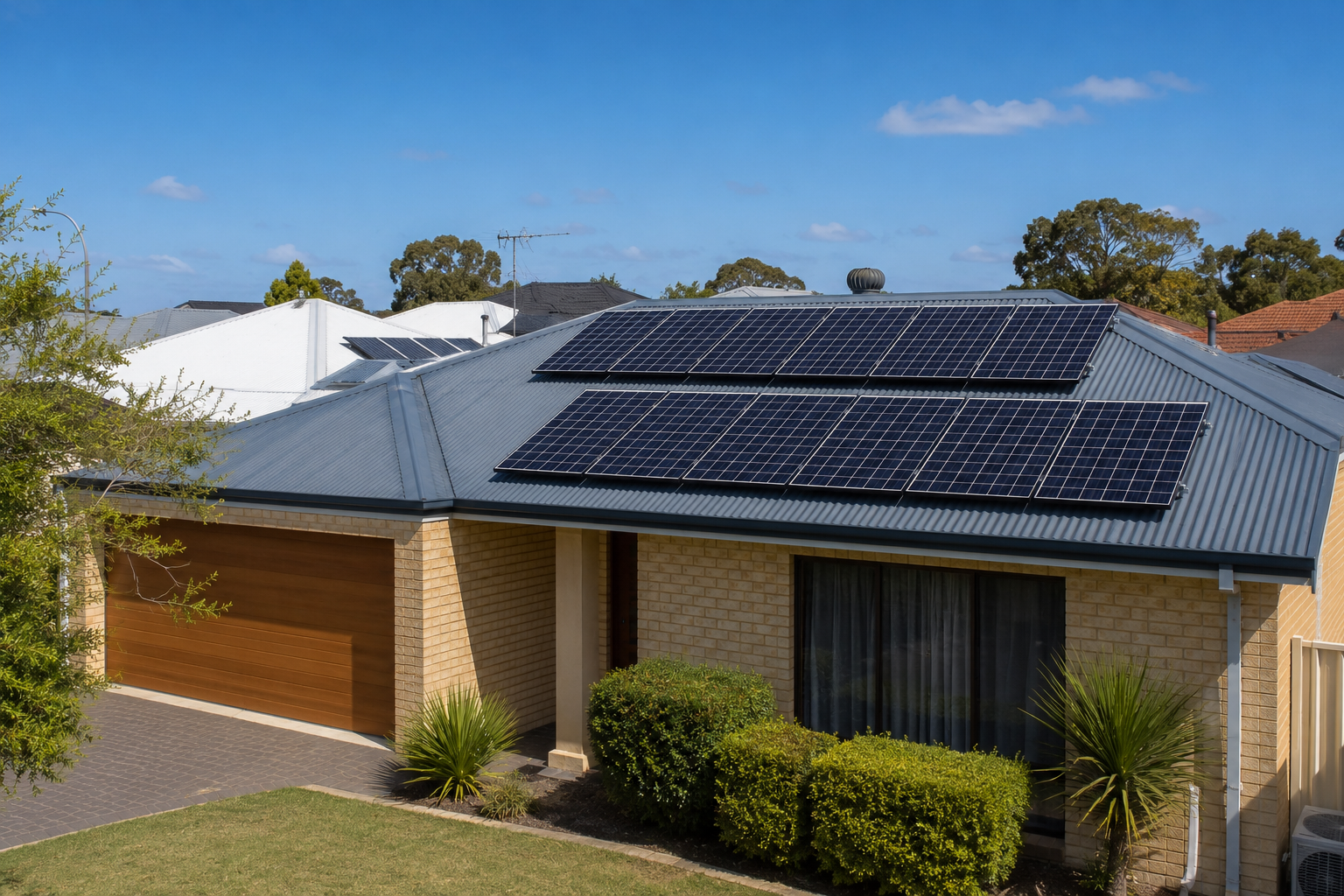
Perth’s long, sunny summers create excellent conditions for solar generation but the strongest sunlight does not always produce the highest possible panel efficiency. Solar panels naturally become hot while operating, and their electrical output can temporarily decrease as cell temperature rises.
This temperature related reduction is normal and does not necessarily mean the panels are damaged or dangerously overheating. However, poor installation, restricted airflow, faulty equipment or an ageing system can make heat related performance issues more noticeable.
Understanding what is normal, what may indicate a fault and how a solar system should be designed for Perth conditions can help you protect its long term performance.
Do Solar Panels Overheat?
Solar panels are designed for outdoor conditions and can withstand temperatures considerably higher than the surrounding air. On a clear summer day, the cells inside a solar panel can become much hotter than the reported ambient temperature.
As the cells become hotter, their voltage decreases and the panel generally produces slightly less power than it would under the same sunlight at a lower temperature. This relationship is shown by the panel’s temperature coefficient, which can be found in the manufacturer’s technical specifications. This means a bright but extremely hot afternoon may not produce as much power as a cooler, clear day, even though the sunlight appears stronger.
This temporary reduction is normally part of the panel’s expected operation. It becomes a concern when performance falls significantly below expectations, the system repeatedly shuts down or there are signs of an electrical or equipment fault.
Heat Does Not Affect Every Part of the System Equally
The panels are only one part of a solar installation. A residential solar system may also include:
A string or hybrid inverter
DC and AC isolators
Switchboard protection
Electrical cabling and connectors
Battery storage
Monitoring equipment
The inverter converts the electricity produced by the panels into power that can be used by the property or exported to the grid. Inverters also generate heat and may reduce their output, or shut down temporarily, if they cannot remain within their permitted operating temperature.
Correct inverter positioning, ventilation and installation clearances are therefore important. An inverter installed in direct afternoon sun, inside an enclosed space or too close to surrounding objects may have more difficulty managing heat.
Battery systems also have manufacturer specified operating conditions. Their position, ventilation and exposure should be considered during system design rather than treated as an afterthought.
Signs That Your Solar System May Need Attention
A small reduction in output on very hot days is normal. A professional assessment may be appropriate when you notice:
A sudden or sustained reduction in solar generation
Output that is considerably lower than similar periods in previous years
Repeated inverter warning messages or shutdowns
Intermittent production during clear daylight hours
Visible damage, loose components or discolouration
Unusual buzzing, burning smells or excessive heat near the inverter or switchboard
Monitoring data that no longer matches the system’s normal pattern
Solar output changes throughout the day and across the year, so one low production period does not automatically indicate a fault. Cloud cover, shading, household consumption, export limits and network conditions can all affect what appears in the monitoring application.
The most useful comparison is usually between similar days, seasons and operating conditions.
How Proper Installation Helps Manage Heat
Adequate airflow beneath the panels
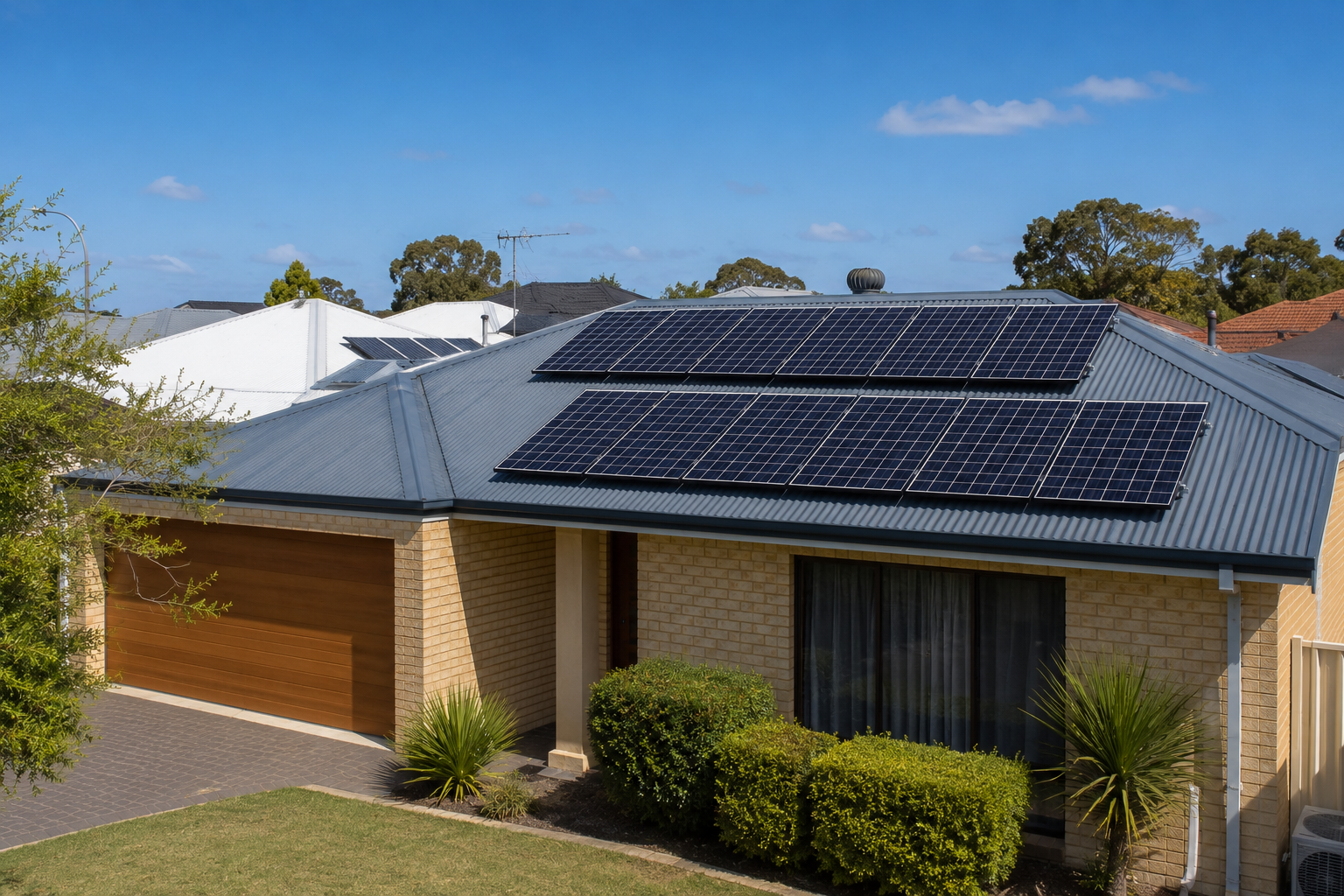
Solar panels are generally mounted above the roof surface rather than installed directly against it. The space beneath the array allows air to circulate and helps dissipate heat.
The mounting system, roof type, panel layout and installation clearances all contribute to airflow. These factors should be considered during design and installation.
Suitable inverter positioning
An inverter should be installed in a position that meets the manufacturer’s requirements and provides appropriate ventilation and protection from environmental exposure.
Where practical, avoiding prolonged direct sunlight can help the inverter manage its operating temperature more effectively. Required clearances should also remain unobstructed.
Equipment suited to Perth conditions
Panels, inverters, batteries and mounting equipment should be selected for the site and installed in accordance with the applicable product and electrical requirements.
Product efficiency, temperature characteristics, warranties and support should be considered alongside the upfront price.
System design matched to the property
A solar system should be designed around the roof, shading, orientation, electricity consumption and network requirements of the property.
Simply installing the largest number of panels that will fit does not guarantee the best result. String design, inverter capacity, roof layout and operating conditions all influence performance.
What Homeowners Can Do During Summer
Monitor system performance
Review the solar monitoring application periodically and become familiar with the system’s normal daily and seasonal patterns.
Look for substantial changes rather than expecting identical production every day. Compare performance with similar weather conditions where possible.
Keep the installation visually clear
From ground level, check whether leaves, branches or other debris are covering part of the array. Significant shading or debris can reduce output and may affect sections of the system differently.
Do not climb onto the roof to inspect or clean the panels yourself. Roof access creates a fall risk, and solar equipment can remain electrically active during daylight hours.
Do not spray hot panels with cold water
Spraying panels during the hottest part of the day is not a recommended response to normal temperature related output loss. Sudden temperature changes may place unnecessary stress on materials, and water near electrical equipment introduces additional risk.
Automatic water cooling systems and fans are generally unnecessary for ordinary residential solar installations. Any energy or water used by an active cooling system also needs to be weighed against the relatively modest performance benefit.
Arrange an assessment when performance changes unexpectedly
Contact a qualified solar professional when output drops significantly without an obvious weather related explanation, warning messages continue to appear or the system repeatedly stops generating.
Do not open an inverter, isolator, switchboard or other electrical enclosure yourself.
Does Cleaning Prevent Solar Panels from Overheating?
Cleaning is primarily intended to remove material that blocks sunlight, not to cool the panels.
Many Perth solar systems require little manual cleaning, although the need varies according to roof pitch, rainfall, dust, birds, nearby trees and the surrounding environment. Heavy soiling can reduce production, but unnecessary or poorly performed cleaning may damage the installation.
A system should be inspected before assuming dirt is the cause of reduced performance. Problems involving shading, inverter operation, electrical connections or monitoring can produce similar symptoms.
When Is Professional Solar System Management Helpful?
A professional assessment can help determine whether lower output is caused by normal summer conditions or an issue requiring attention.
Depending on the system and reported problem, an assessment may involve:
Reviewing inverter and monitoring data
Checking for fault codes or unusual shutdowns
Inspecting accessible panels and mounting equipment
Assessing inverter ventilation and installation clearances
Checking isolators, switchboard equipment and accessible electrical connections
Comparing system performance with its design and operating conditions
Recommending further testing where required
Regular monitoring and timely fault investigation can help identify problems before they cause a prolonged loss of generation.
Keeping Your Solar System Performing Through Perth’s Summer
Solar panels becoming hot during summer is normal. The main effect is usually a temporary reduction in conversion efficiency rather than immediate damage to the system.
Good design, adequate ventilation, suitable equipment and professional installation help manage Perth’s demanding summer conditions. Homeowners can support the system by monitoring performance, keeping surrounding areas clear and arranging an assessment when production changes unexpectedly.
RSEG designs and installs residential and commercial solar panels, battery storage and associated electrical infrastructure across Perth. Contact our team to discuss a new system or concerns about the performance of an existing installation.
Recent Posts by RSEG